AI, Deepfakes, and Crypto Romance Scams: When Video Calls and Voices Are Not Proof
How scammers use AI-generated profiles, voice clones, fake videos, and edited documents to make pig-butchering crypto scams more believable.
Key takeaways
- A video call no longer proves that an online identity is real.
- Scammers use AI to scale profiles, scripts, documents, voices, and short videos.
- Verification should focus on the investment platform and payment request, not just the face.
What AI changes
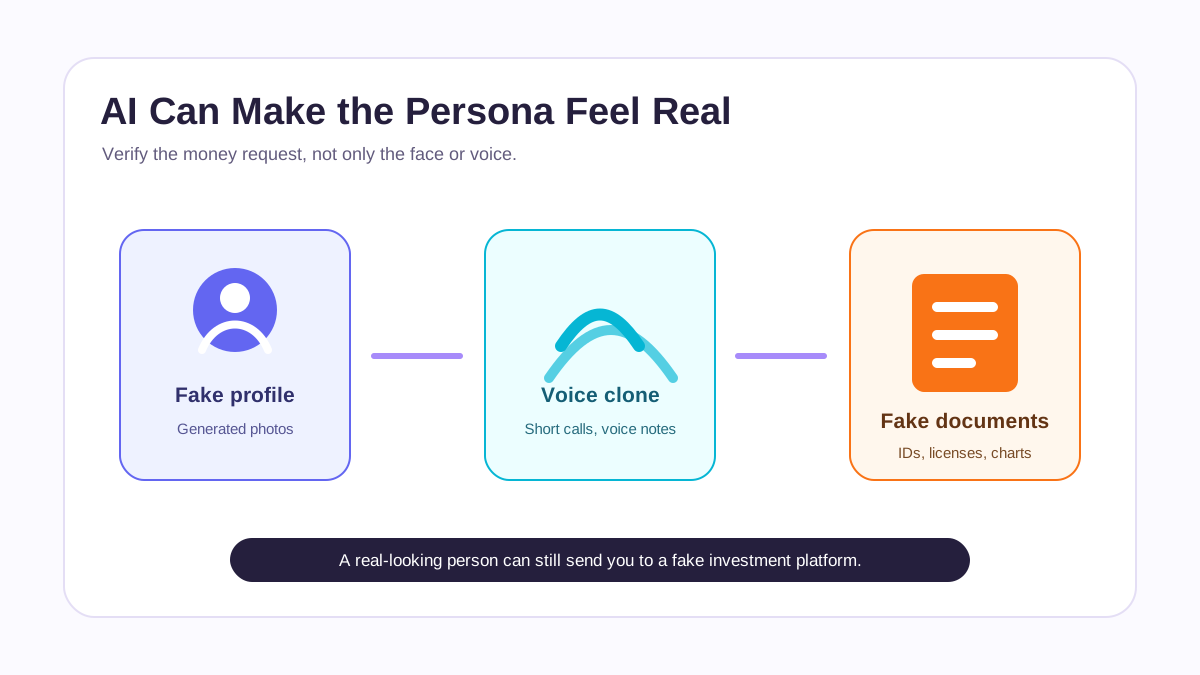
Older romance-investment scams relied on stolen photos and scripted messages. Newer scams can add AI-generated profile pictures, realistic voice notes, translated conversations, doctored documents, and short video clips. The result can feel more personal and more convincing.
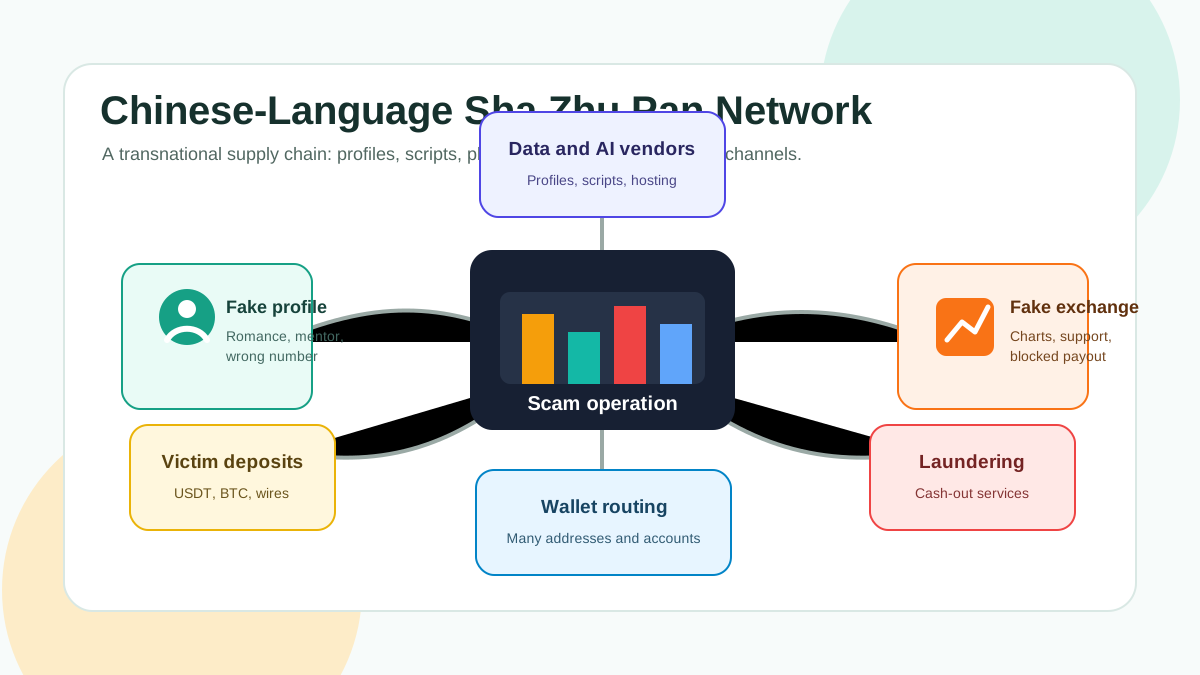
The FBI said its 2025 IC3 report includes an artificial-intelligence section for the first time, with AI-related complaints costing Americans nearly $893 million. The FBI described scammers using fake social profiles, voice clones, identification documents, and believable videos.
The proof trap
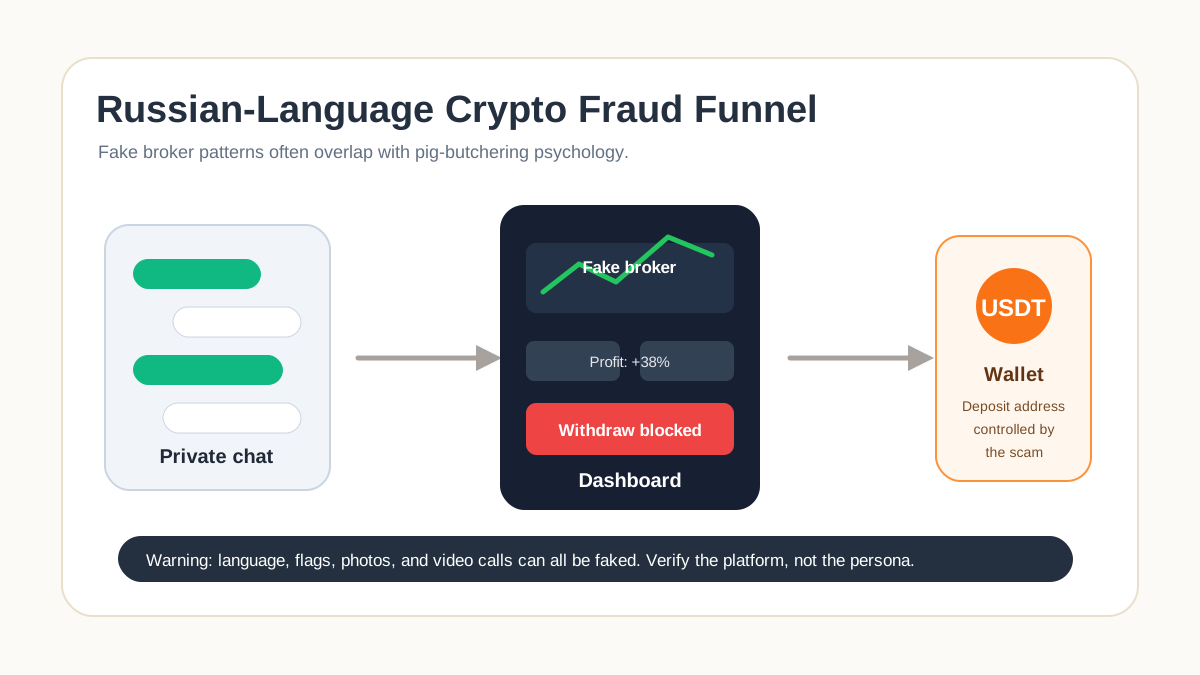
Victims often ask for a video call to prove the person is real. That can help, but it is not enough. Scammers can use pre-recorded clips, filters, hired performers, stolen identity material, or AI-assisted media. They can also keep calls short and blame bad internet, work, travel, or privacy.
Even if the person on camera is real, the investment can still be fake. Some operations use real humans to maintain trust while the platform, wallet, and profits are fraudulent.
Better verification questions
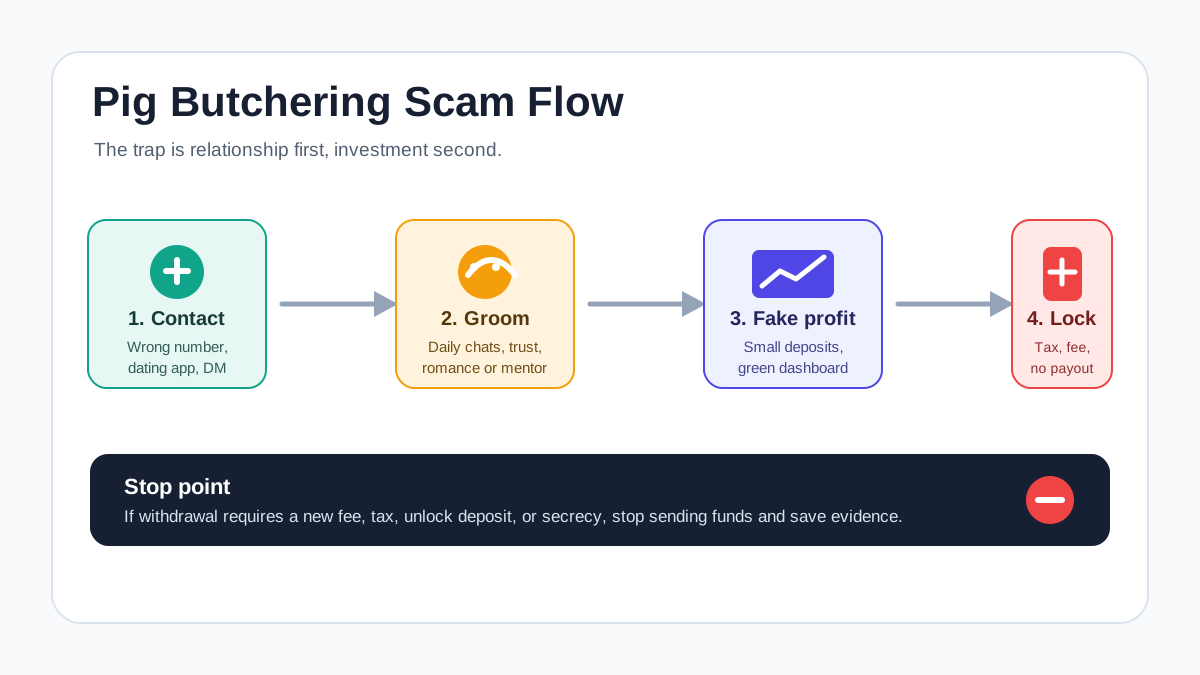
Instead of only asking "is this person real?", ask "is the money request safe?" Can the platform be found through an official regulator? Is the company registered as claimed? Can withdrawals happen without new deposits? Did the investment idea come from an unsolicited online contact?
The CFTC advises people to keep conversations on the original dating or social platform where fraud filters may help, reverse-search images, check registration, get a second opinion, and never pay more money to recover money.
A family intervention approach
If someone you care about is involved, avoid humiliating them. The scam may have become emotionally important. Ask them to pause for 24 hours, stop sending funds, and verify the platform through official channels. Offer to help collect facts rather than attacking the relationship.
A calm pause can break the pressure loop. Scammers depend on urgency, secrecy, and emotional isolation.