Chinese-Language Sha Zhu Pan Networks and Crypto Scam Compounds
How the Chinese-language term sha zhu pan became associated with global romance-investment scams, Southeast Asia scam compounds, forced labor, and crypto laundering.
Key takeaways
- Sha zhu pan is a Chinese-language term used for a long-con romance-investment scam.
- Modern operations are transnational and multilingual, with major hubs reported in Southeast Asia.
- Many low-level chat operators may also be victims of trafficking or forced criminality.
A Chinese-language term, a global crime model
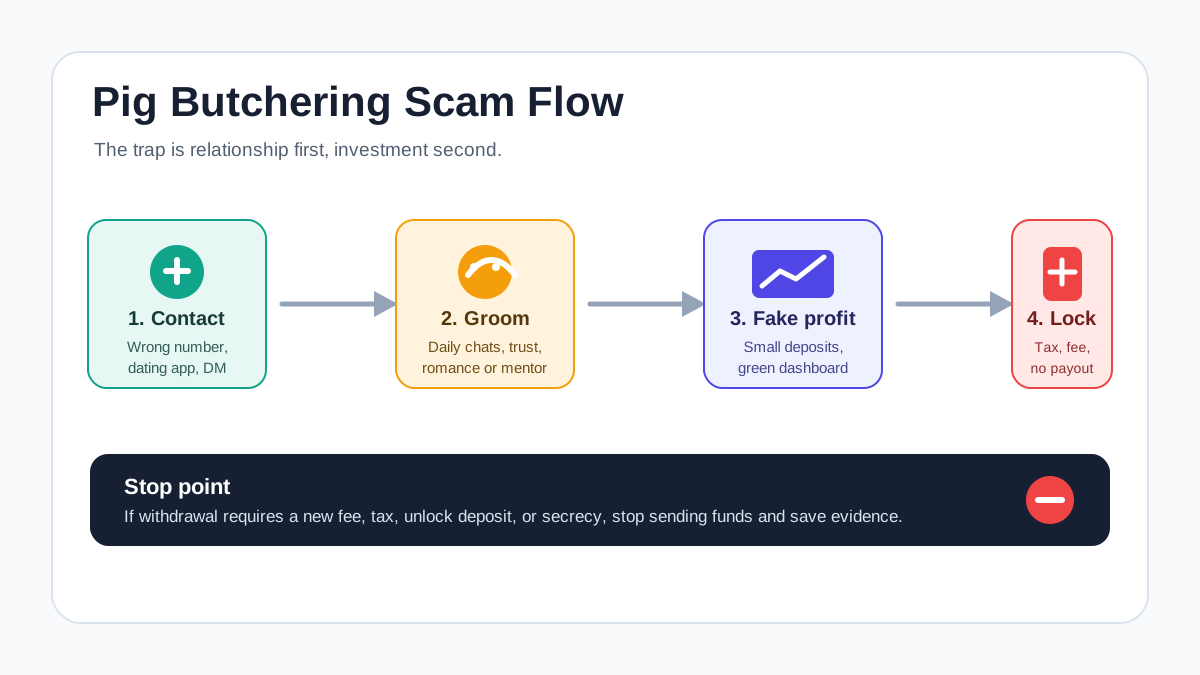
The phrase sha zhu pan is commonly translated as pig butchering. It refers to fattening the target with trust before financially slaughtering them through a fake investment. The phrase is Chinese-language criminal slang, but the modern scam is not limited to China or Chinese victims.
The current ecosystem is transnational. Victims may be in the United States, Europe, the Middle East, Africa, or Asia. Operators may use English, Chinese, Russian, Spanish, Arabic, or machine translation. The location claimed by the profile is often fictional.
Important distinction
This article discusses Chinese-language scam terminology and China-linked criminal infrastructure. It is not a claim about Chinese people as a group.
The compound model
Authorities and researchers have repeatedly linked pig-butchering activity to large scam compounds in Southeast Asia. These locations can combine online fraud, gambling infrastructure, money laundering, corrupt protection, and human trafficking.
The FBI describes cryptocurrency investment fraud as originating in Southeast Asia and being perpetrated by organized crime groups operating from scam compounds in multiple regions. U.S. Treasury actions have also described Southeast Asia scam centers using forced labor and violence.
- Workers may be recruited with fake job offers, then confined and forced to scam strangers online.
- Victim-facing operators may follow scripts while higher-level managers control wallets, platforms, and cash-out channels.
- The same compound can run romance-investment scams, task scams, extortion, fake jobs, and other online frauds.
Why USDT and fake platforms appear so often
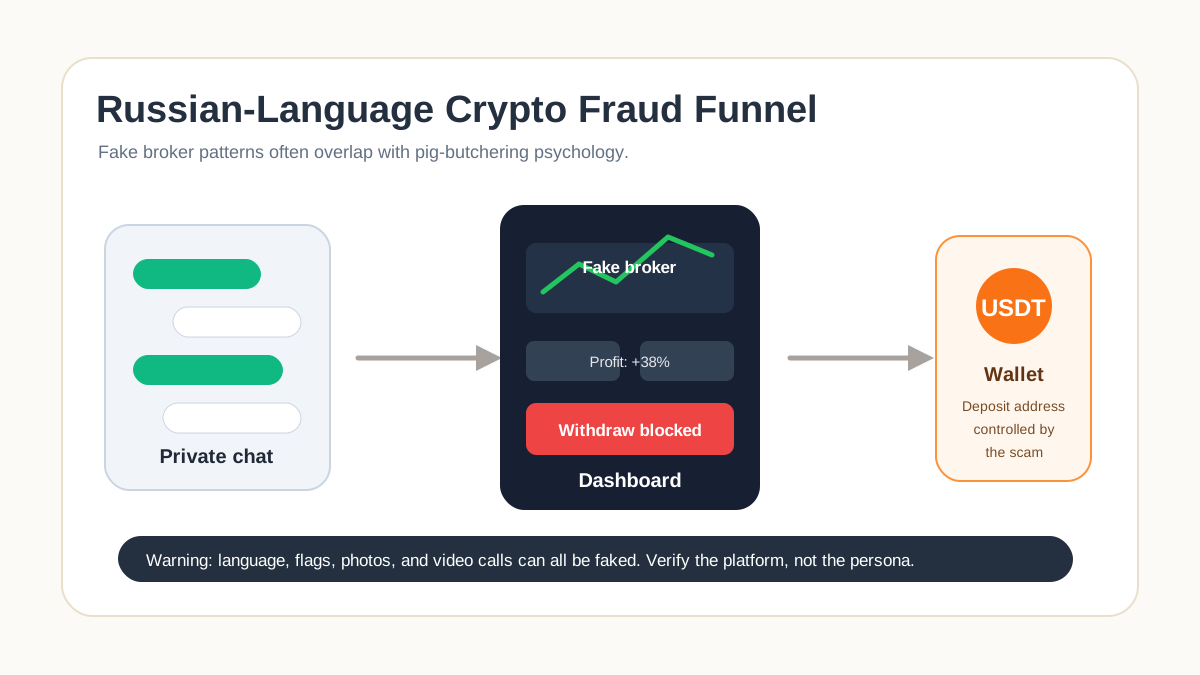
Stablecoins, especially dollar-pegged assets, are attractive because they move quickly across borders without the price swings of more volatile crypto. Victims are often instructed to buy USDT or USDC through a legitimate exchange and send it to a deposit address shown by the fake platform.
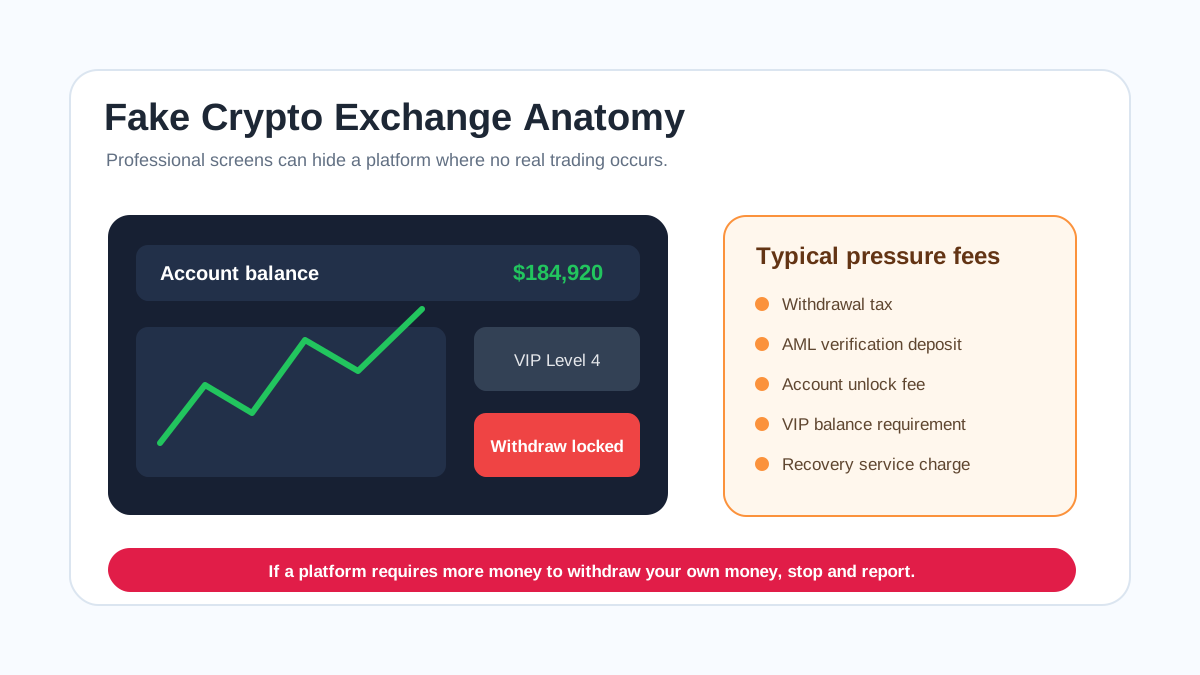
The user interface then becomes psychological theater: balances rise, trades win, a mentor praises the victim, and customer support invents reasons to deposit more. Behind the screen, funds can be routed through many wallets, exchanges, brokers, or laundering services.
Professionalized scam infrastructure
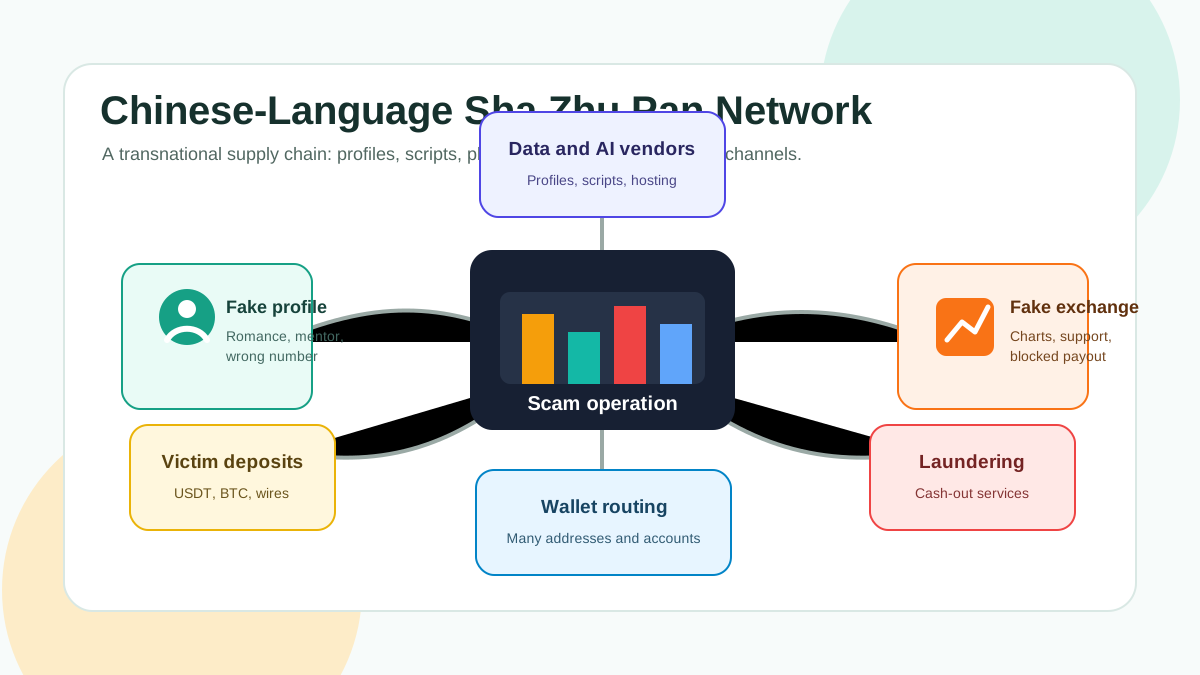
Chainalysis has described marketplaces that provide scam operators with infrastructure, data, social media services, AI tools, hosting, and money-laundering services. FinCEN identified Cambodia-based Huione Group as a primary money laundering concern and said its network laundered at least $4 billion in illicit proceeds between August 2021 and January 2025.
This matters because pig butchering is not just one person with a fake profile. It can be a supply chain: stolen personal data, fake social accounts, domain kits, fake exchange templates, payment processors, wallet operators, and cash-out brokers.