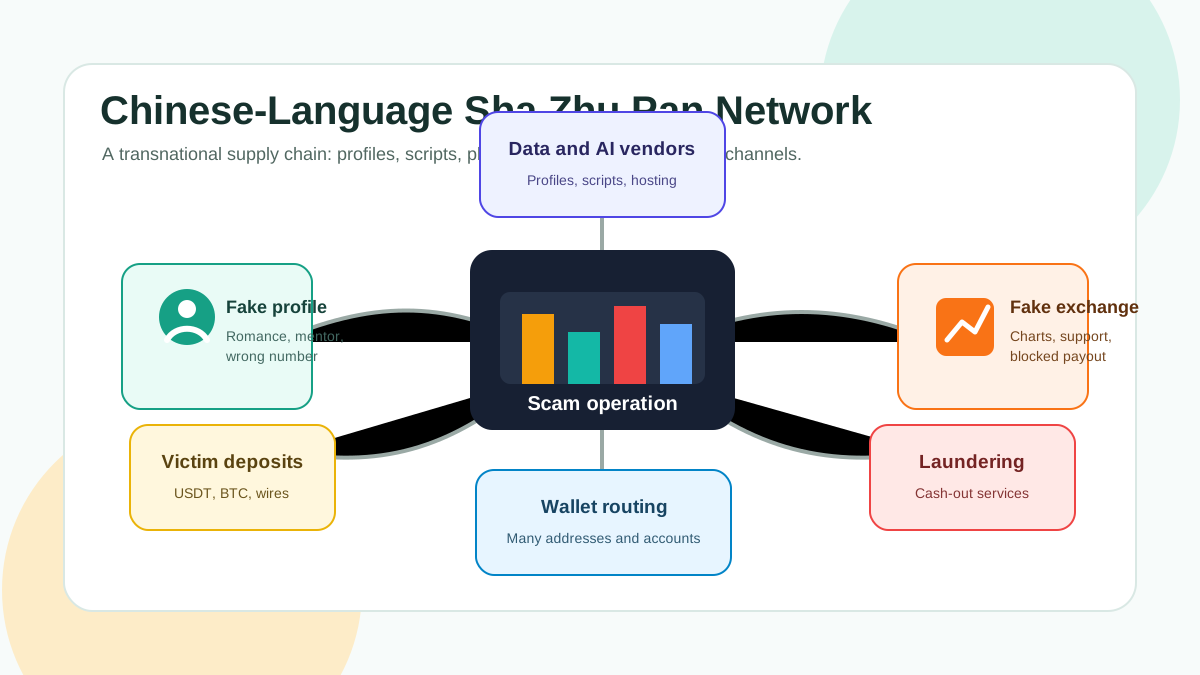
Pig Butchering Crypto Scams: The Playbook From Wrong Number to Frozen Withdrawal
A detailed guide to how pig-butchering crypto scams build trust, fake investment profits, and pressure victims into sending USDT, BTC, or other crypto.
Key takeaways
- The scam usually starts as a relationship, not an investment pitch.
- Victims are shown fake profits on a platform the scammer controls.
- The final trap is often a fake tax, fee, or verification demand before withdrawal.
What the scam is
Pig butchering is a confidence-based investment scam. The criminal does not usually ask for money on day one. Instead, they create a believable relationship through a wrong-number text, dating app, Telegram message, WhatsApp chat, social media profile, or work-from-home pitch.
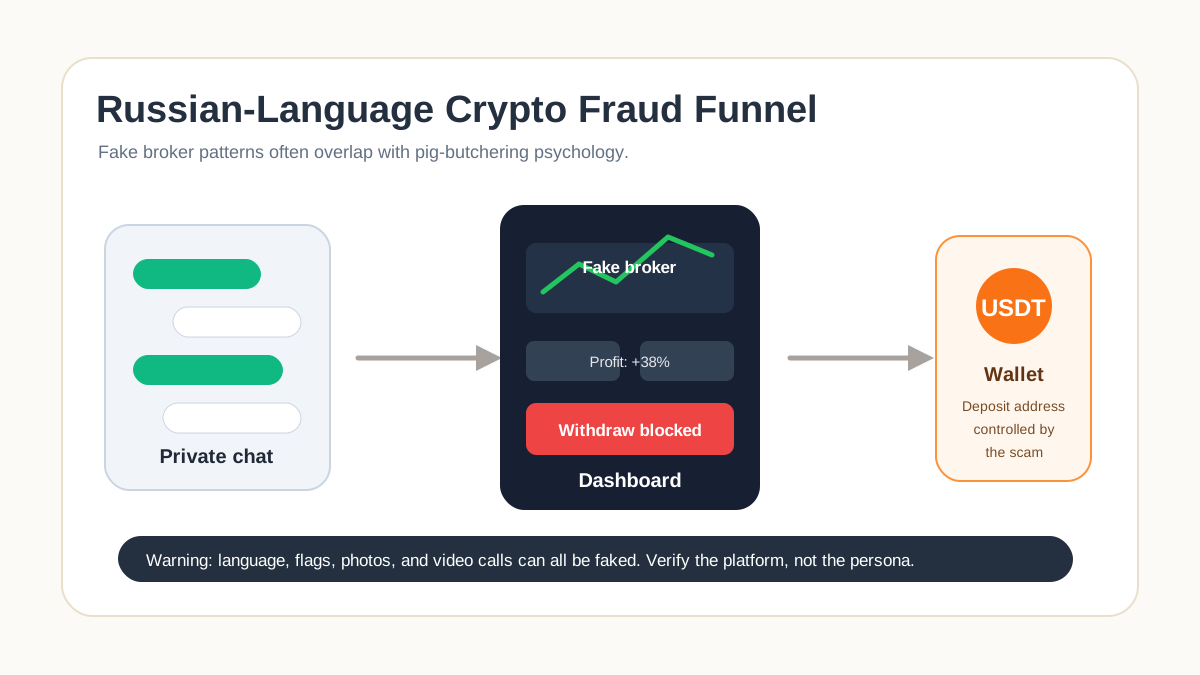
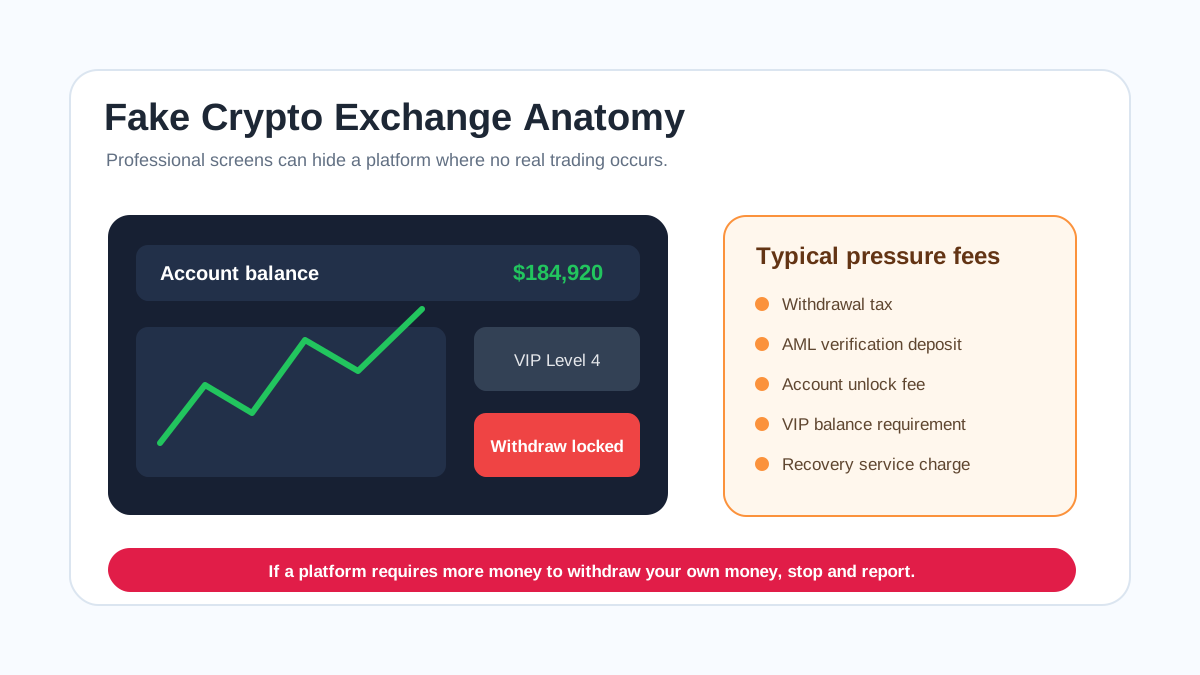
Once trust is built, the conversation turns toward cryptocurrency. The scammer introduces a fake trading site, fake mobile app, fake liquidity mining pool, or fake broker dashboard. The platform may show charts, account balances, customer support, verification screens, and profitable trades, but the numbers are controlled by the criminals.
- Common entry points: wrong-number texts, dating apps, Instagram, Telegram, WhatsApp, LinkedIn, and fake job messages.
- Common assets used: USDT, USDC, BTC, ETH, and sometimes local bank transfers converted into crypto through a real exchange.
- Common ending: the victim cannot withdraw unless they pay new taxes, fees, security deposits, or account unlock charges.
The timeline criminals use
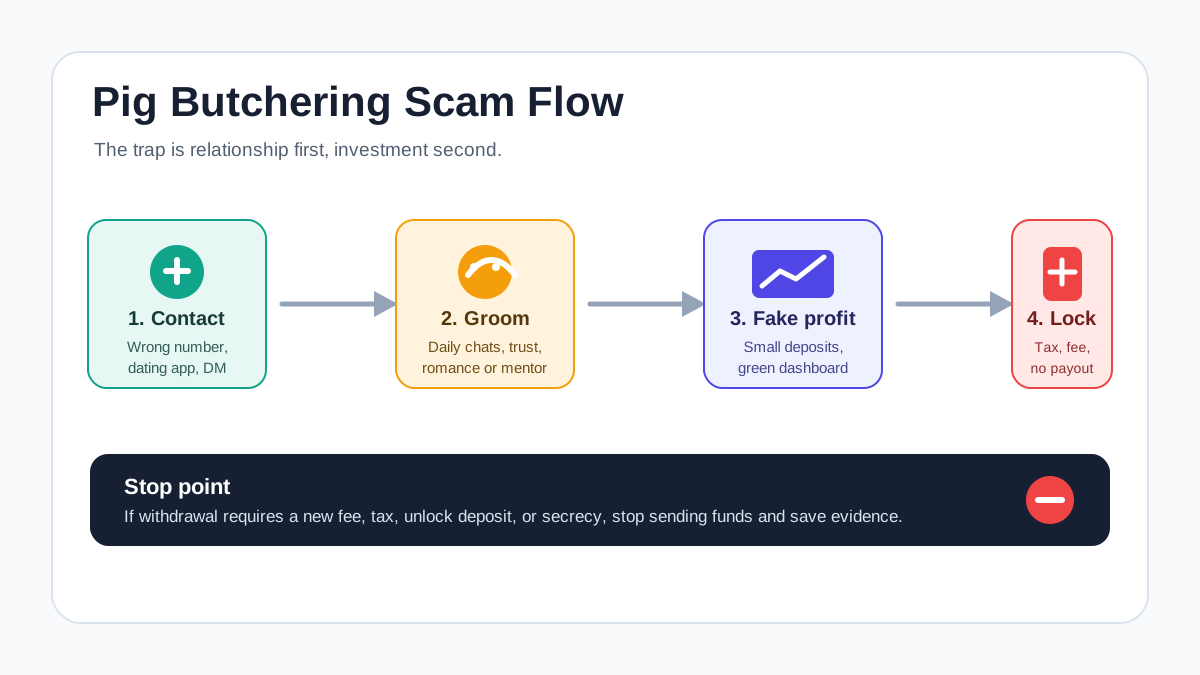
The grooming period can be days, weeks, or months. The scammer mirrors hobbies, checks in every day, avoids video calls or uses manipulated media, and slowly makes the victim feel like the investment idea is a shared secret.
Early deposits are often small. The victim may even be allowed to withdraw a small profit, which makes the fake platform feel real. After that, the scammer pushes larger deposits, leverage, VIP tiers, or limited-time opportunities.
- Stage 1: accidental contact and friendly conversation.
- Stage 2: trust building with romance, mentorship, or a successful investor persona.
- Stage 3: small test deposit and fake visible profit.
- Stage 4: pressure for larger deposits, loans, retirement withdrawals, or home-equity funds.
- Stage 5: withdrawal blocked by invented taxes, fees, compliance checks, or penalties.
Why crypto is used
Crypto transfers are fast, global, and difficult to reverse once confirmed. That makes them attractive to scammers even when the victim starts from a normal bank account. The victim may be told to buy crypto at a legitimate exchange or kiosk, then send it to a wallet address or deposit address controlled by the fake platform.
Legitimate exchanges and wallet apps are often just the rails. Their presence does not prove the investment is real. A victim can use a real exchange, a real wallet, and a real blockchain transaction while the destination platform is completely fraudulent.
Key check
A real blockchain transaction only proves that funds moved. It does not prove that the receiving platform is licensed, solvent, trading, or connected to your displayed account balance.
What to do when something feels wrong
Stop sending money immediately. Do not pay withdrawal taxes, recovery fees, wallet unlock fees, or anti-money-laundering deposits demanded by the platform. Save screenshots, chat logs, URLs, wallet addresses, transaction hashes, phone numbers, and usernames.
The FBI recommends reporting quickly through IC3. Fast reporting can matter because blockchain tracing and exchange freezes are time-sensitive. Avoid any person or company that says they can recover funds if you pay them upfront; recovery scams commonly target victims after the first fraud.