Inside a Fake Crypto Exchange: The Screens, Fees, and Support Tricks That Trap Victims
A practical breakdown of the fake trading platforms used in crypto romance and pig-butchering scams, including withdrawal locks, fake liquidity pools, and customer support traps.
Key takeaways
- A fake exchange can look professional while no real trading happens.
- Small early withdrawals are sometimes allowed to build confidence.
- A real wallet app or app-store listing does not make the investment safe.
The dashboard is the product
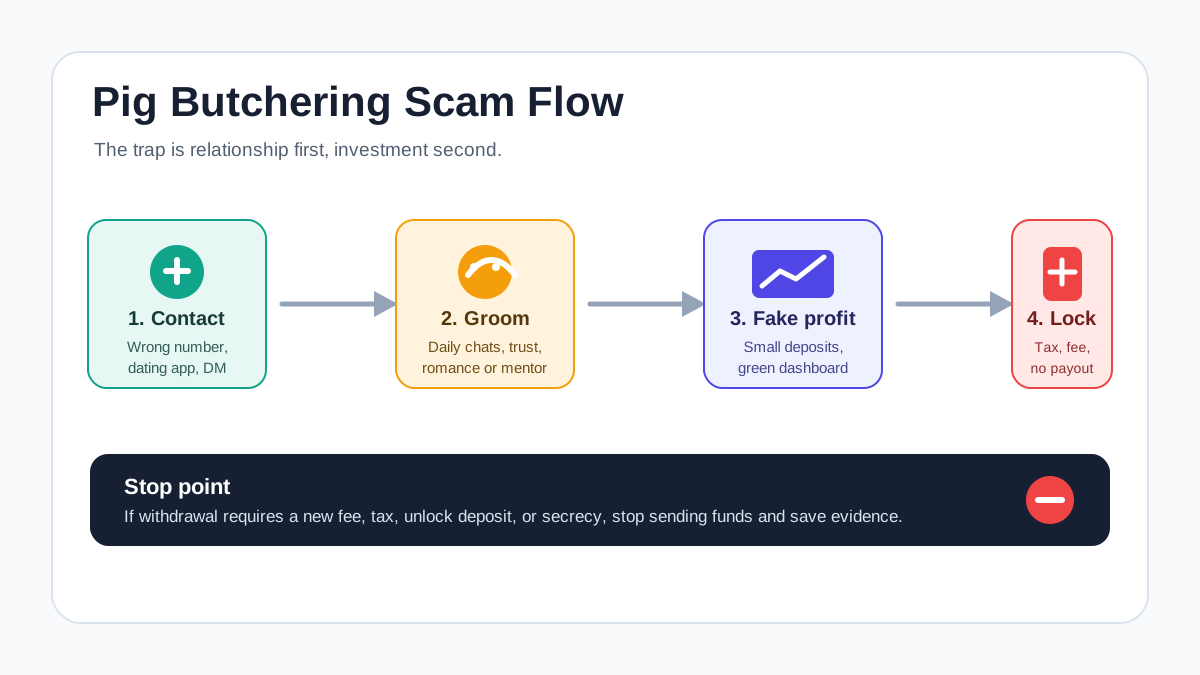
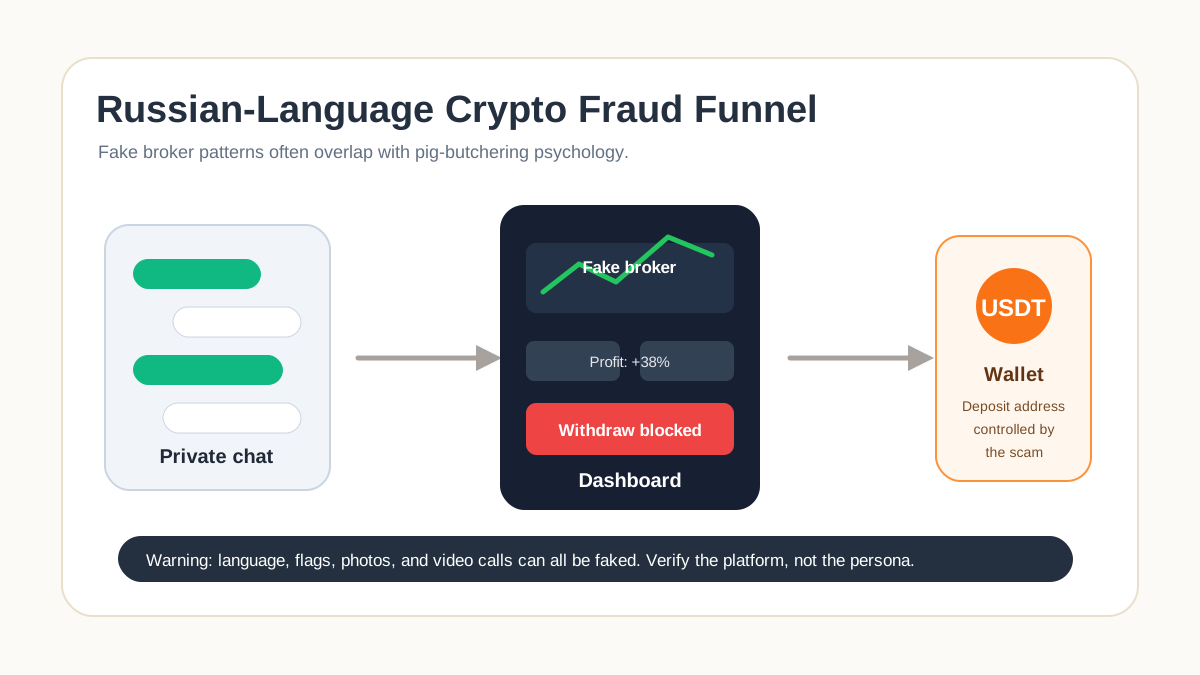
In many pig-butchering scams, the fake exchange is not meant to trade. It is meant to persuade. The dashboard can show real-time price feeds, green profit charts, trade history, VIP levels, customer support, compliance notices, and withdrawal forms.
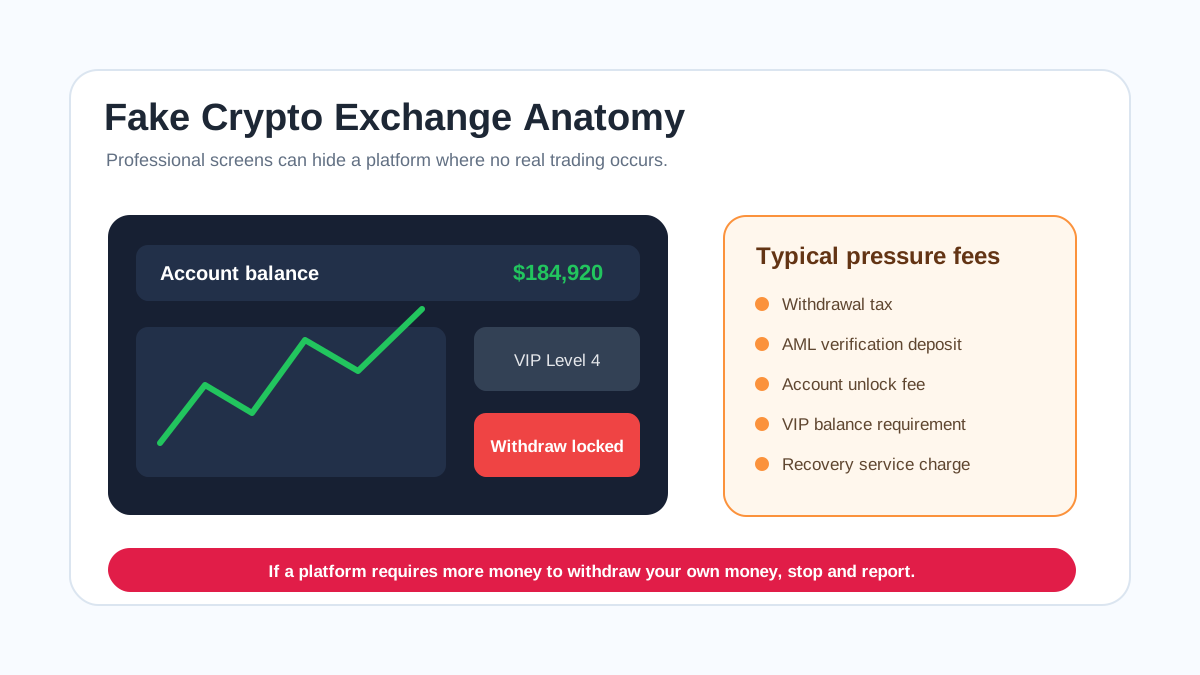
The victim sees growth, but the account balance is just data controlled by the scammer. The platform can manually credit fake profits, lock withdrawals, change fees, or display a negative balance whenever pressure is useful.
Common screens on fake platforms
Fake platforms borrow the visual language of real exchanges. They often have login pages, KYC screens, deposit pages, trading charts, mobile-app prompts, live-chat widgets, terms pages, and certificates. Many pages are cloned from legitimate companies or assembled from templates.
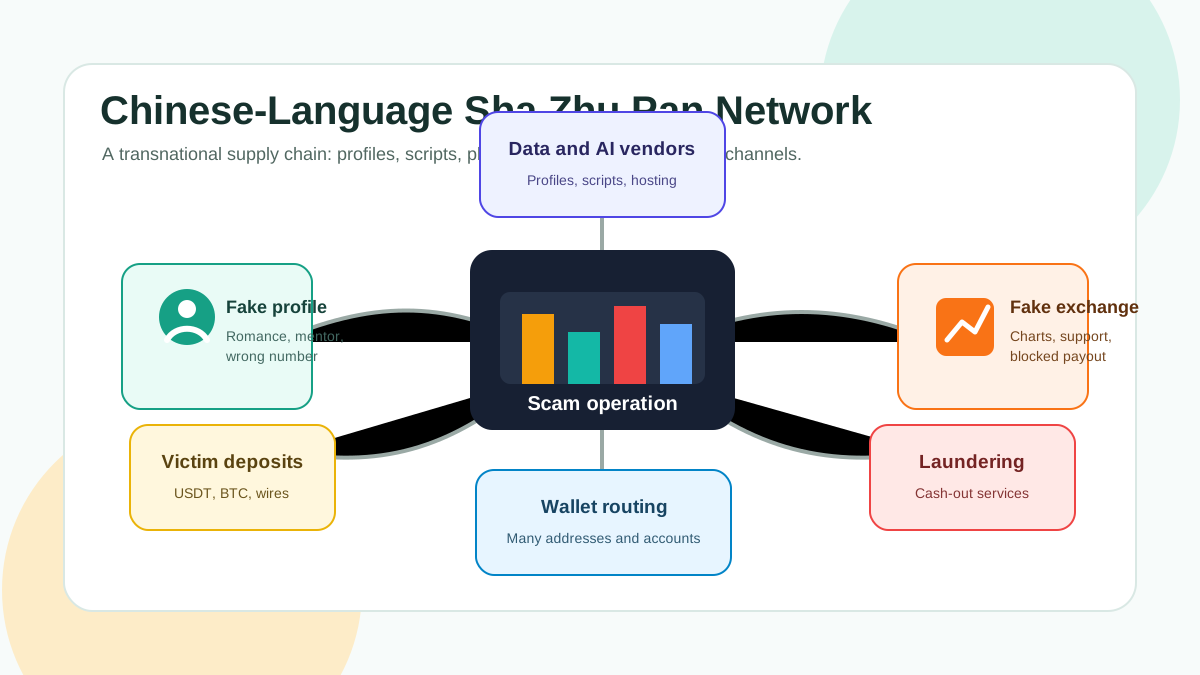
The platform may also use real crypto rails. A victim can buy crypto from a legitimate exchange, send it through a legitimate wallet, and still lose it because the receiving address belongs to the scam network.
- Deposit screen: gives a one-time or rotating wallet address.
- Profit screen: shows steady gains without realistic losses or slippage.
- Support screen: reinforces the scam and tells the victim what to pay next.
- Withdrawal screen: blocks the payout until a new fee or tax is paid.
- Referral screen: pressures the victim to bring friends or family into the platform.
Liquidity mining and DeFi variants
Some scams avoid a fake exchange app and instead use a fake liquidity pool or mining page connected through a real wallet app. Sophos described a case where a victim lost $22,000 after being guided into a fraudulent crypto trading pool. The site used DeFi language and a legitimate wallet context to look safer than it was.
The core warning is the same: if the opportunity came from a stranger or new romantic contact, and you are asked to connect a wallet, sign a contract, or deposit crypto into a pool you cannot independently verify, stop and investigate first.
A fast verification routine
Before depositing, search the exact domain, company name, app developer, regulator registration, wallet address, and support email. Type the URL yourself instead of clicking links sent by the contact. Look for domain age, copied legal text, missing executives, fake addresses, and reviews that appeared recently or repeat the same wording.
Do not trust screenshots of profit. Do not trust a license image without checking the regulator directly. Do not trust a support agent who exists only inside the platform. Most importantly, do not pay a second fee to unlock money from a platform introduced by a stranger.