Russian-Language Crypto Fake Broker Scams: Romance Bait, Telegram Funnels, and Pseudo-Investments
How Russian-language fake broker and crypto investment scams overlap with pig-butchering tactics, including fake dashboards, Telegram pressure, and crypto wallet deposits.
Key takeaways
- Russian-language scams often present as fake brokers, financial pyramids, or trading managers.
- The social-engineering pattern overlaps with pig butchering even when romance is not the main hook.
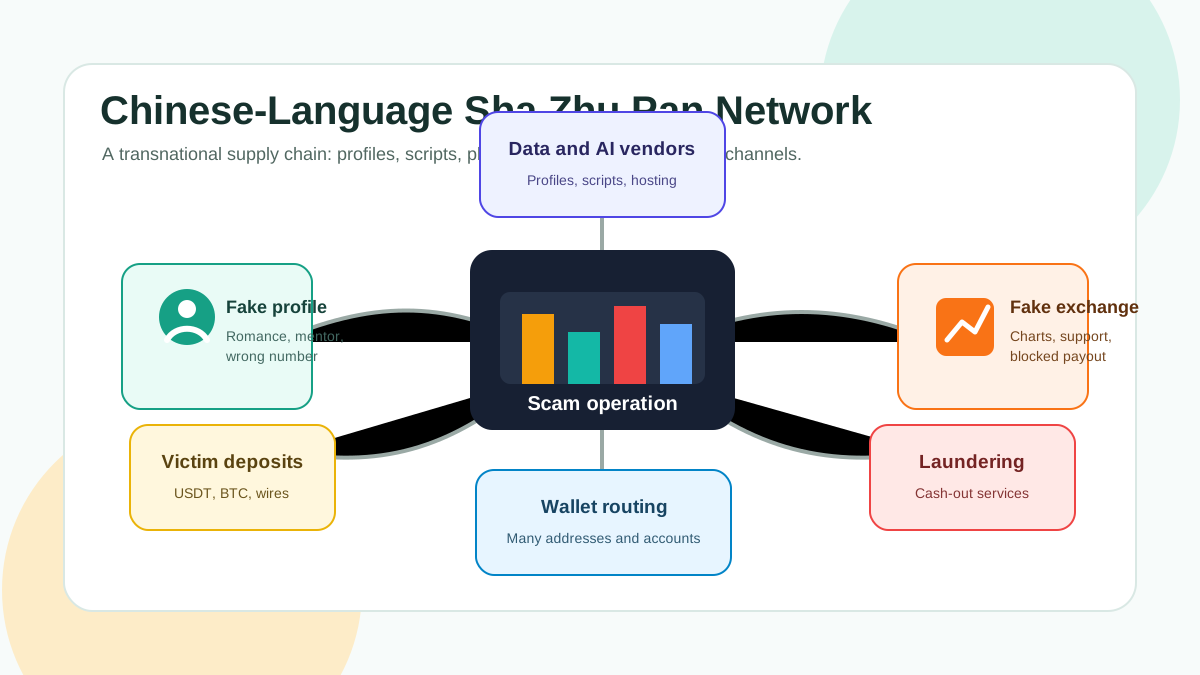
- Crypto deposits can be used to make operators harder to identify and funds harder to recover.
Russian-language does not mean Russian people
Russian-language crypto scams target Russian speakers across Russia, Eastern Europe, Central Asia, Israel, the UAE, Europe, and diaspora communities. The language of the pitch is not reliable evidence of the operator location or nationality.
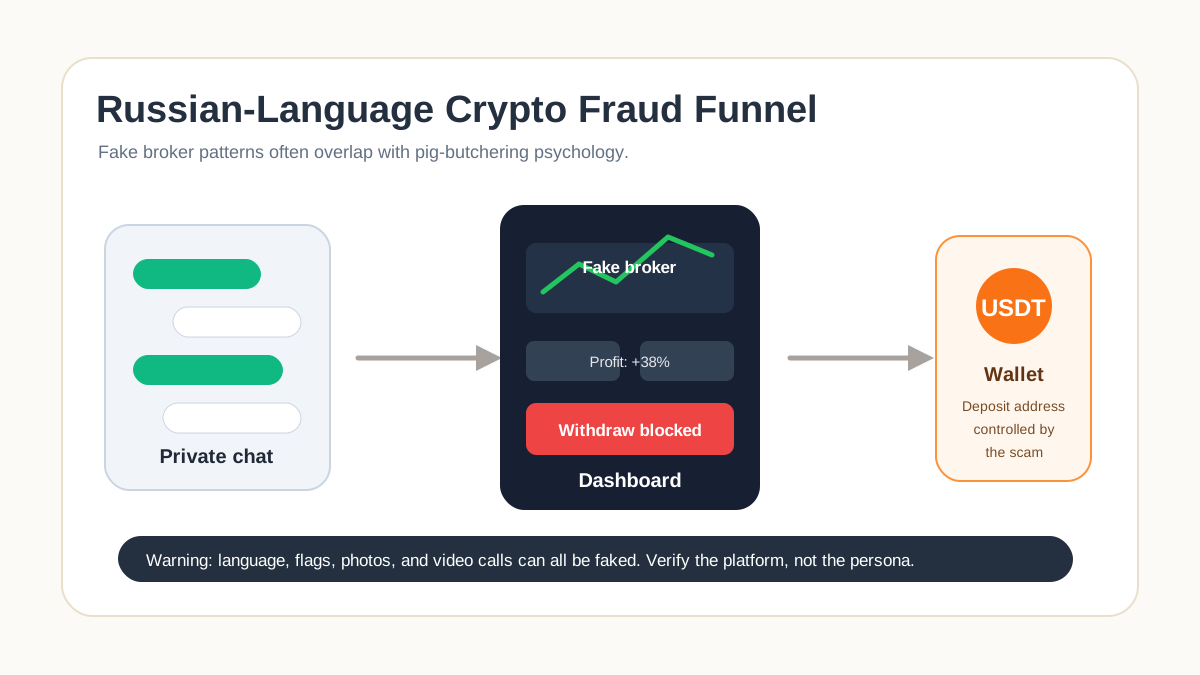
The useful pattern to watch is behavioral: a stranger, group admin, fake analyst, or romantic contact builds trust and then steers the victim into a broker dashboard, trading account, wallet deposit, or guaranteed investment plan.
Careful framing
This article focuses on Russian-language scam tactics and fake broker patterns. It does not label Russian people as scammers.
What Russian regulators are seeing
The Bank of Russia reported more than 4,000 fraudulent and illegal schemes in the first half of 2025, including 2,300 online Ponzi schemes and almost 1,400 fake brokers. It also said more than 88% of detected financial pyramids and illegal brokers offered fake investment schemes.
In its 2025 overview published in February 2026, the Bank of Russia said it identified more than 7,000 financial pyramids and other fraud schemes in the financial market. It specifically noted cryptoasset investment pitches and more than 4,600 cryptocurrency wallets used by victims to deposit funds.
How the funnel usually looks
A Russian-language fake broker funnel often begins in Telegram, VK, WhatsApp, Instagram, YouTube comments, dating apps, or paid ads. The hook can be romantic interest, an invitation to a private trading club, an AI trading bot, sanctions-proof income, forex leverage, crypto arbitrage, or a personal manager promising fixed daily returns.
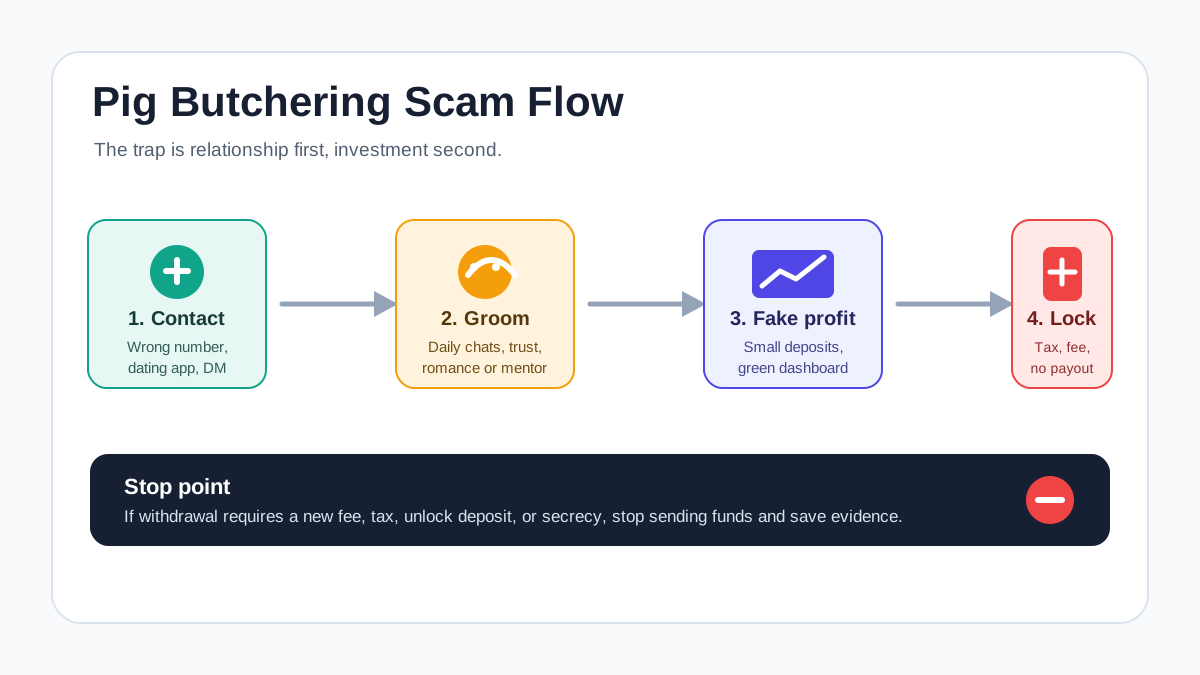
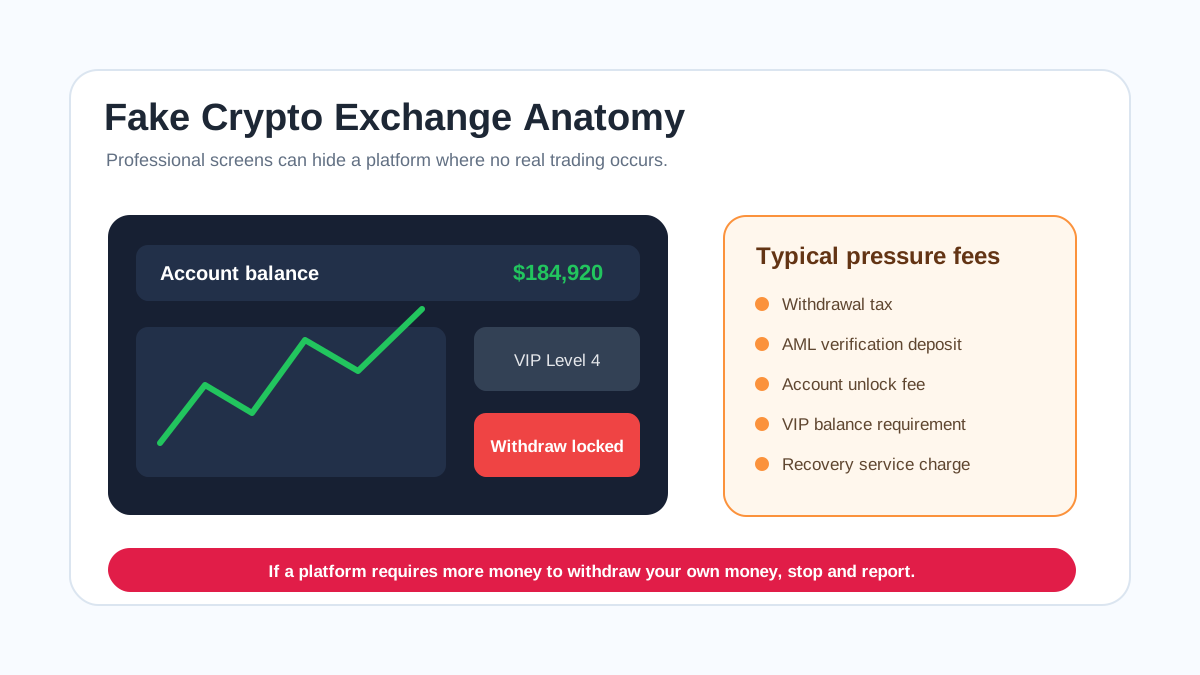
The victim is moved away from public channels into a private chat. A manager helps them create an account, buy crypto, and deposit to a wallet address. The dashboard shows profits. When the victim wants to withdraw, the broker invents taxes, insurance, anti-money-laundering checks, account verification, or a need to reach a higher balance.
- Romance variant: an attractive profile slowly introduces trading advice.
- Broker variant: a personal manager calls repeatedly and controls the pace.
- Group variant: fake members post screenshots of profits to create social proof.
- Recovery variant: after the first loss, another actor offers to recover funds for an upfront fee.
Where it overlaps with pig butchering
The overlap is the long-con structure. The scammer invests time in the relationship, uses apparent expertise, shows staged profit, isolates the victim from outside advice, and then extracts larger deposits. The fake broker does not need to look romantic to behave like pig butchering.
The safest rule is simple: if an online contact introduced the platform and the platform blocks withdrawals unless you pay more, treat it as a scam until proven otherwise by independent regulators and law enforcement.