Fake Crypto Recovery Law Firms: The Second Scam After Pig Butchering
How fake law firms, government imposters, and recovery agents target crypto scam victims after the first loss, and how to verify help safely.
Key takeaways
- Recovery scammers often know exact details from the first fraud.
- Fake law firms may copy real logos, attorney names, and government language.
- A request for crypto payment to recover crypto is a major red flag.
Why victims are targeted again
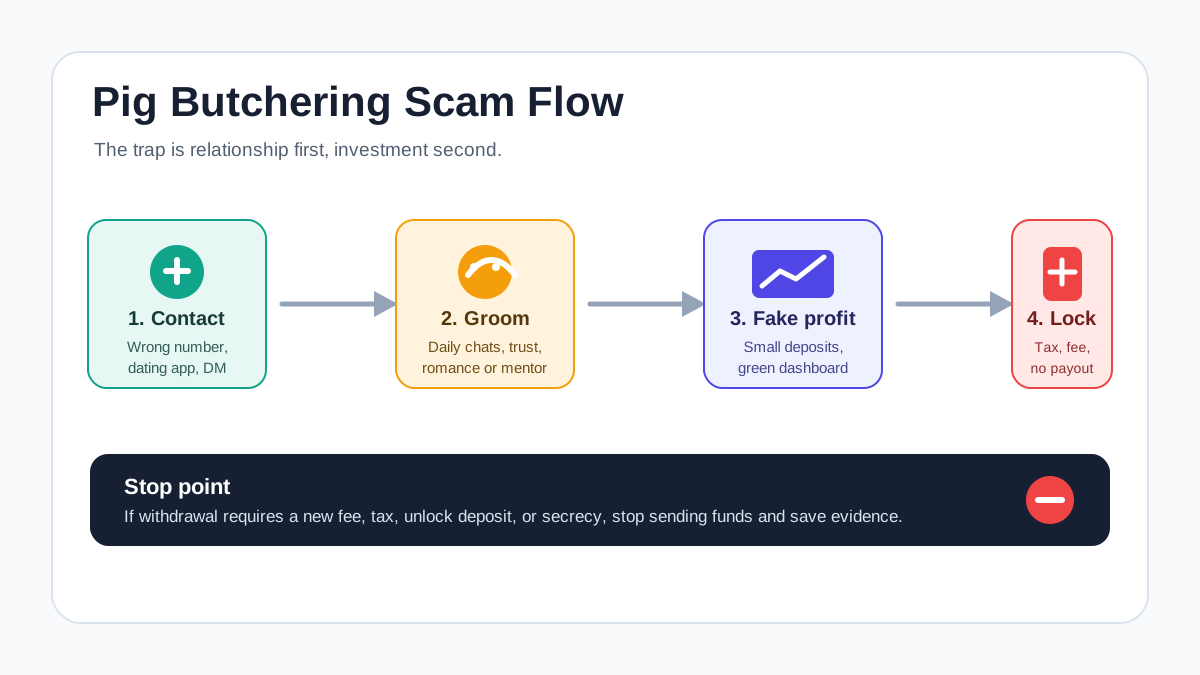
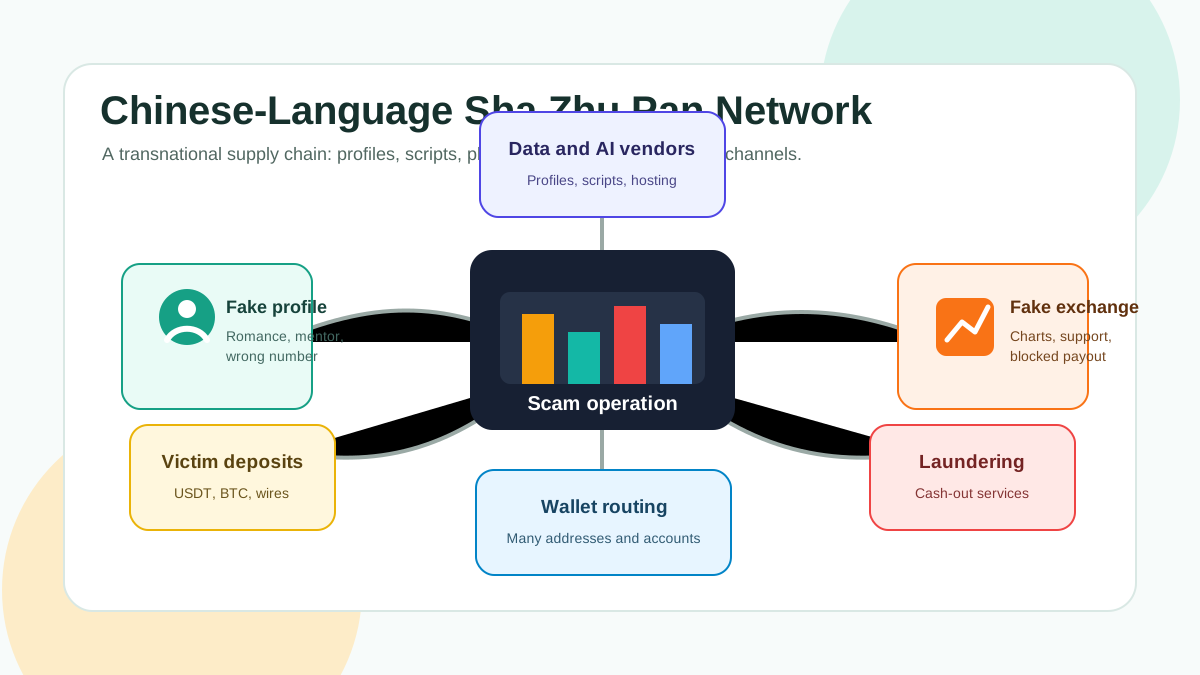
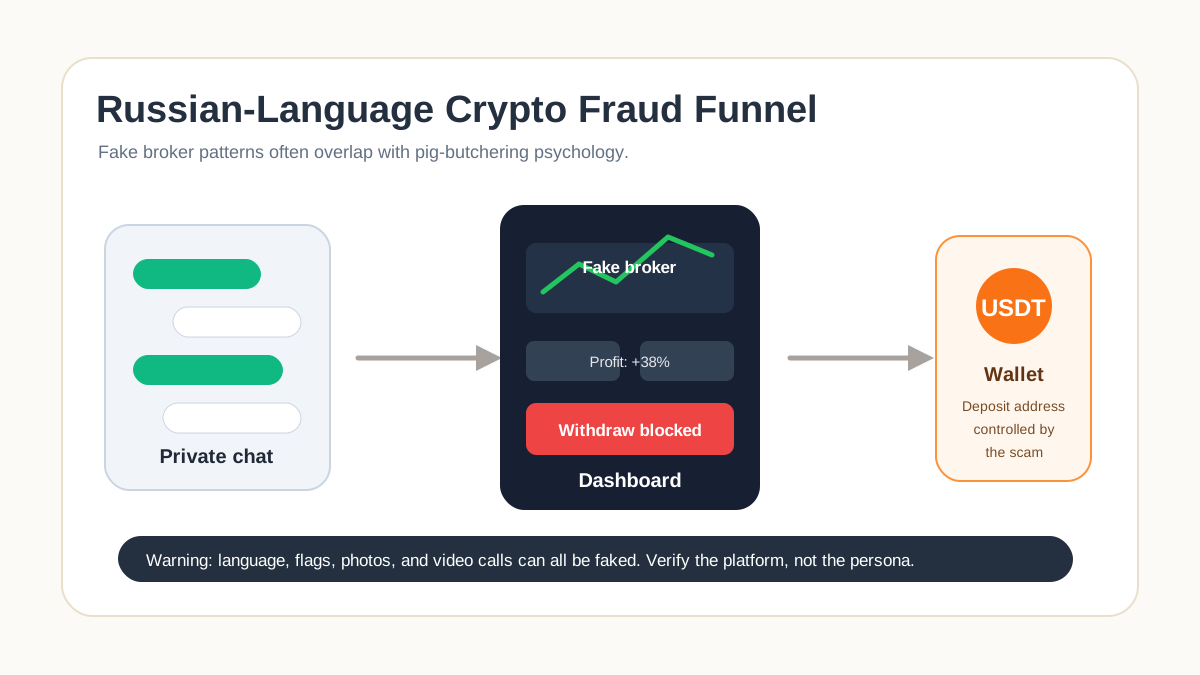
After a pig-butchering scam, victims are vulnerable, ashamed, and desperate for recovery. Criminals know this. Some recovery scammers monitor complaint forums and social media. Others may be connected to the original scam network and already know the wallet addresses, dates, and amounts.
The second scam often feels more official than the first. The caller may claim to be a law firm, investigator, government partner, exchange employee, blockchain analyst, or foreign bank processor.
What the fake law firm says
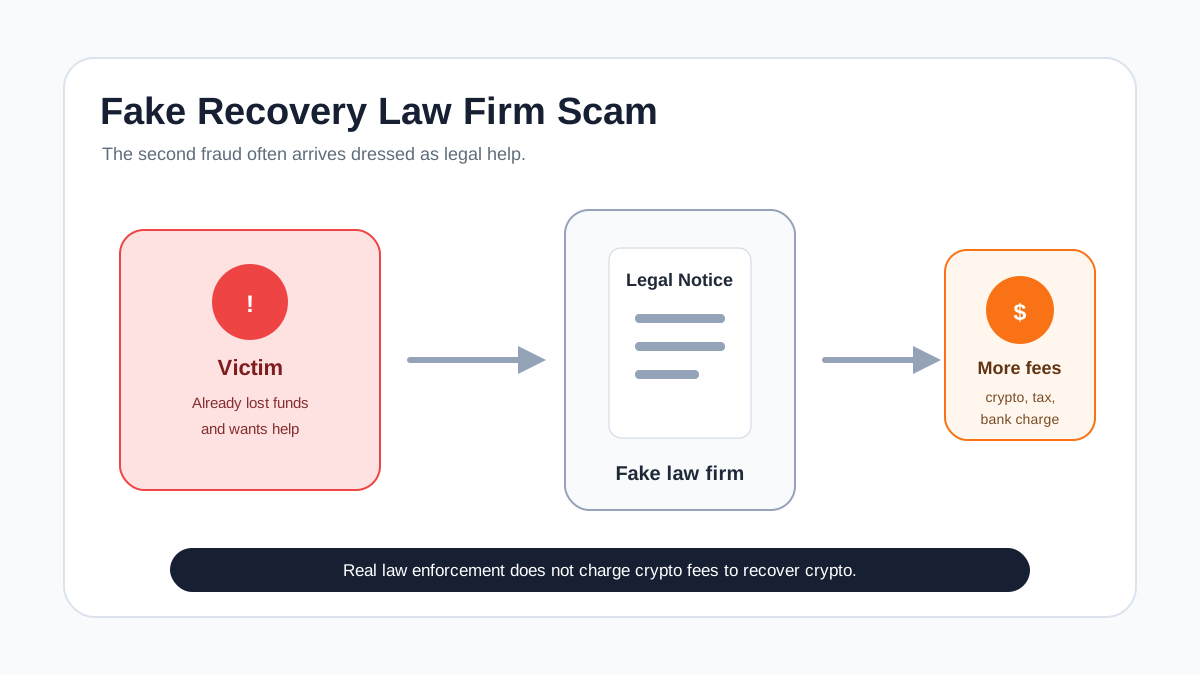
The FBI has warned about fictitious law firms targeting cryptocurrency scam victims. Red flags include fake government affiliations, copied law-firm letterhead, requests for crypto or gift-card payments, claims that the victim is on a government list, and group chats with supposed attorneys and foreign bank processors.
A common script says the funds have been located in a foreign account, but the victim must pay legal fees, bank fees, tax, identity verification, or wallet activation charges before release. This repeats the same advance-fee trap used by the original fake exchange.
How to verify real help
Use a zero-trust approach. Search the attorney through the state bar or licensing authority. Call the law firm using a phone number from its official website, not a number sent in a chat. Verify any government employee by calling the agency through an official public number.
Real law-enforcement services do not require cryptocurrency payments. Be cautious with anyone who guarantees recovery, refuses video verification, avoids written engagement terms, or insists on secrecy.
What legitimate recovery can look like
Legitimate response usually starts with evidence collection, reports to exchanges, reports to IC3 or local law enforcement, and possible civil legal advice. Recovery is never guaranteed, and anyone who promises a certain outcome is selling certainty they do not control.
The safest next step is to preserve evidence and report quickly. If you hire professional help, verify credentials independently before sharing sensitive records or paying fees.