After a Pig Butchering Scam: Evidence to Save, Reports to File, and Recovery Scams to Avoid
A step-by-step victim safety guide for people who already sent crypto to a fake investment platform or romance-investment scam.
Key takeaways
- Stop sending funds before trying to negotiate with the platform.
- Save transaction hashes, wallet addresses, URLs, and chat logs.
- Be especially careful of recovery agents who ask for upfront payment.
First hour: stop the damage
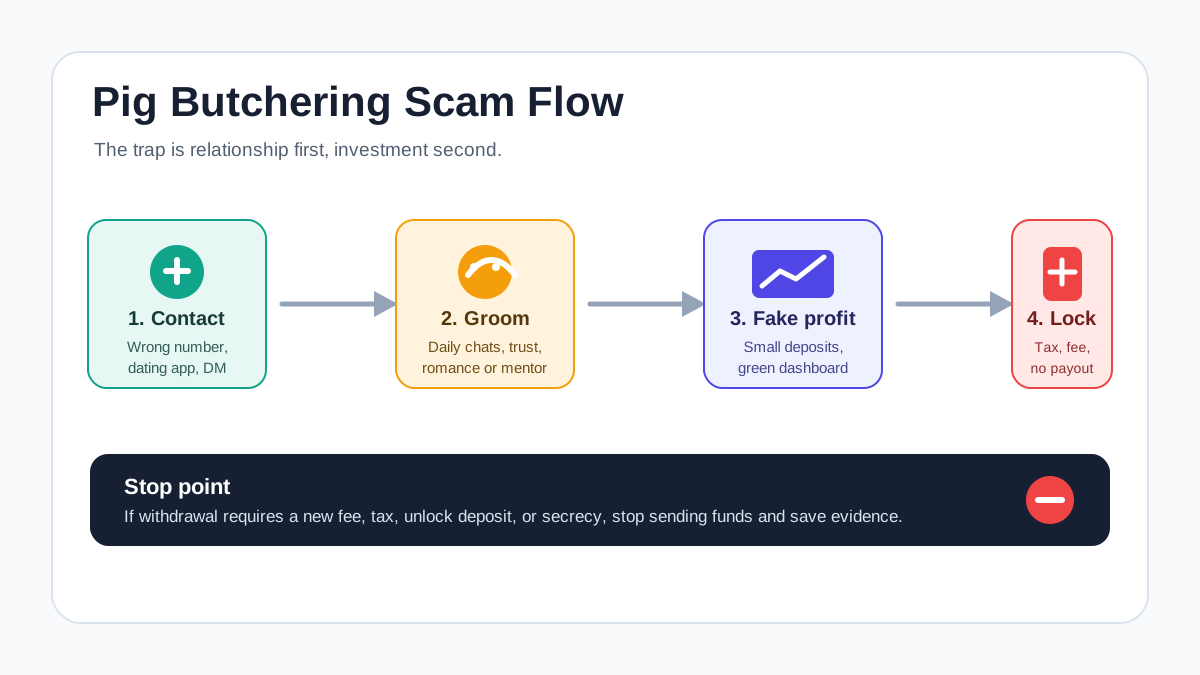
Do not pay any more taxes, unlock fees, anti-money-laundering deposits, wallet activation payments, or recovery charges. Do not warn the scammer that you are reporting them. Scammers often coach victims on how to answer bank staff, FBI outreach, exchange compliance teams, or family members.
If you still have access to accounts, secure them. Change passwords, revoke wallet approvals if applicable, enable multi-factor authentication, and contact your bank or exchange fraud team. If the scammer convinced you to install remote-access software, remove it and scan the device.
Evidence to collect
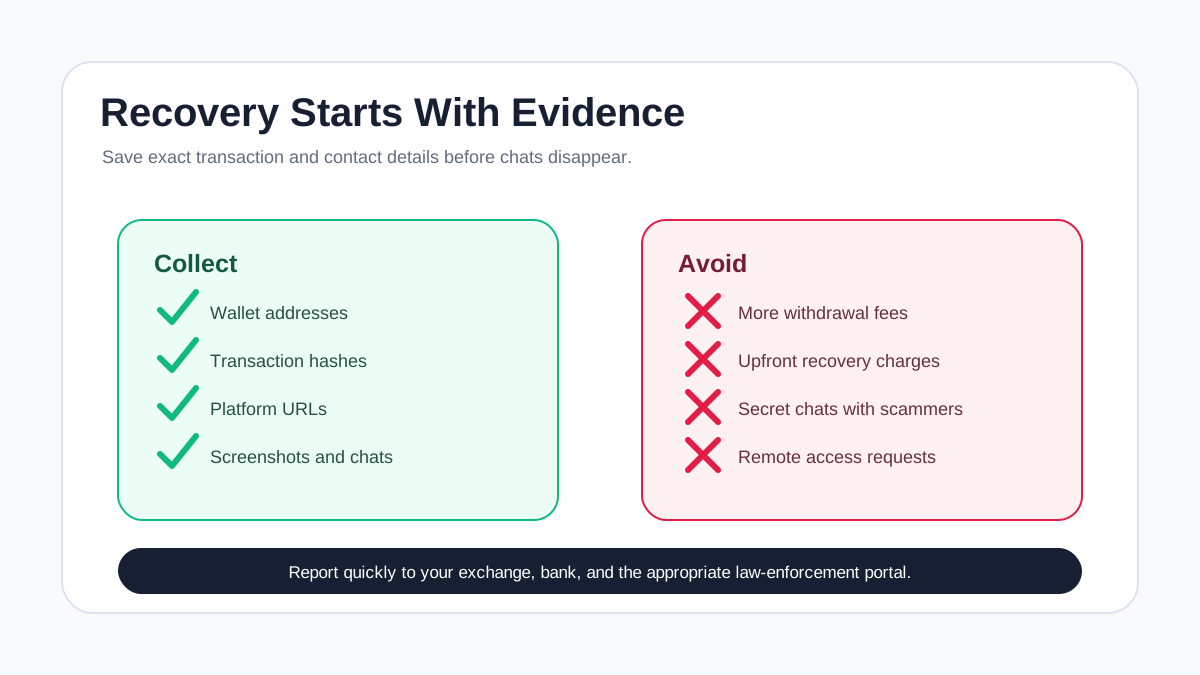
Good evidence helps investigators connect wallets, domains, accounts, and victims. Copy exact data instead of retyping it. Screenshots are useful, but transaction hashes and wallet addresses are critical for blockchain tracing.
- Wallet addresses you sent funds to.
- Transaction hashes or IDs for every crypto transfer.
- Dates, times, asset type, network, and amount sent.
- Exchange receipts, bank wires, ATM receipts, and card records.
- All platform URLs, app names, invite links, support emails, and phone numbers.
- Chat logs, usernames, profile links, photos, voice notes, and video-call screenshots.
Where to report
In the United States, file with IC3 as soon as possible. If you used a crypto exchange, report the fraud to that exchange and ask whether funds can be frozen. If you used a bank, card, wire, or crypto kiosk, contact that provider immediately.
The FBI Operation Level Up page says the FBI had notified 8,103 victims of cryptocurrency investment fraud as of December 2025, with 77% unaware they were being scammed and estimated savings of more than $511 million. That is a reminder that early reporting can prevent additional losses even when full recovery is not guaranteed.
Do not fall for the second scam
Recovery scammers monitor social media, complaint forums, Telegram groups, and victim communities. They may pretend to be hackers, law enforcement, blockchain analysts, lawyers, exchange employees, or government agents. Their pitch is simple: pay a fee and they will recover everything.
The FBI says its personnel will not ask victims to send money, provide crypto accounts, disclose passwords, change security settings, or move to social media. Treat anyone asking for upfront recovery payment as another scam unless independently verified through official channels.