WhatsApp Investment Group Scams: Professors, Assistants, Fake Members, and Crypto Platforms
How fake investment groups on WhatsApp and Telegram use social proof, staged profits, and fake experts to route victims into crypto trading platforms.
Key takeaways
- The group is built to make the scam feel socially validated.
- Fake members post profit screenshots and praise the mentor on schedule.
- The final destination is usually a fake exchange, token sale, or trading platform.
The cast of characters
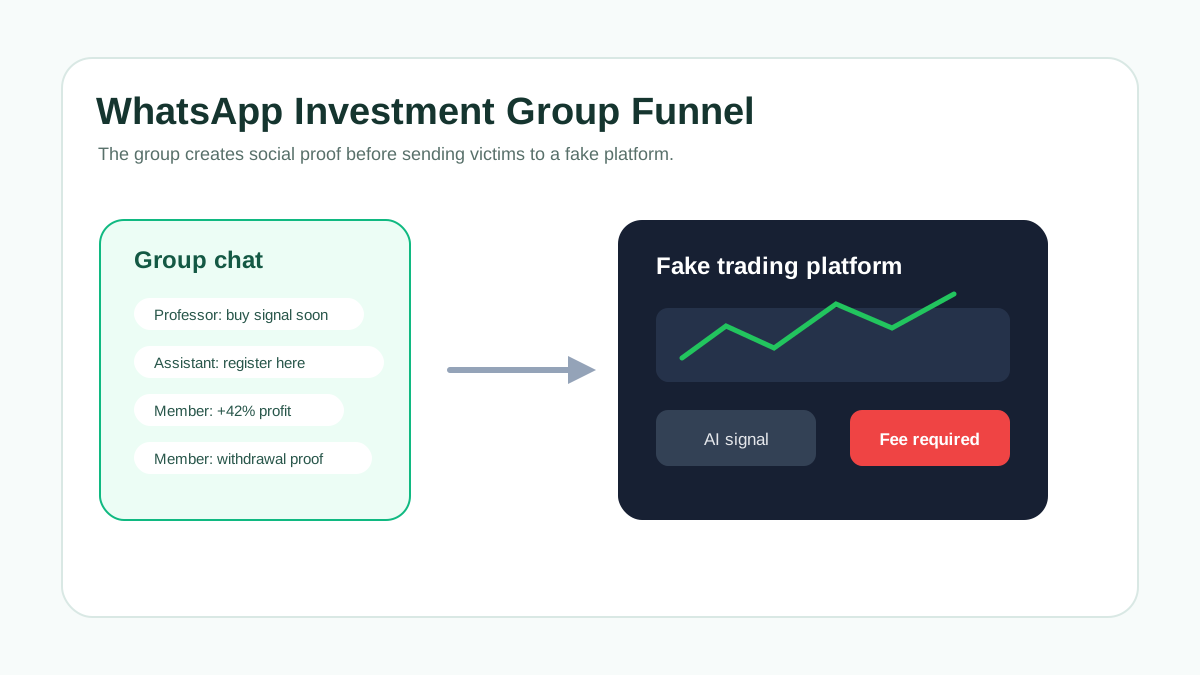
Many investment group scams use a repeating cast: a professor or analyst, an assistant who handles onboarding, several enthusiastic members, and quiet observers. The professor gives market commentary. The assistant sends links, wallet instructions, and deposit steps. The fake members post wins.
The victim is meant to feel like they joined a thriving private club. In reality, the group may be mostly controlled accounts. The conversation is staged to create urgency, social proof, and fear of missing out.
- Professor: authority figure who appears calm and successful.
- Assistant: operational contact who sends registration links and deposit instructions.
- Members: controlled accounts that post gains, gratitude, and withdrawal screenshots.
- Victim: encouraged to stay quiet, learn, and then deposit larger amounts.
How the money moves
The group may begin with stock tips or macro commentary before moving to crypto. The platform may claim to offer AI-generated signals, institutional allocations, pre-sale tokens, arbitrage, mining, or high-frequency trading.
The SEC charged several purported crypto trading platforms and investment clubs in 2025, alleging that WhatsApp groups and social-media ads were used to gain trust before victims were sent to fake platforms. The complaint alleged no real trading occurred and that advance fees were demanded when victims tried to withdraw.
Why group chats feel convincing
A private group lowers skepticism because many people appear to be making the same decision. Scammers exploit that feeling. They may post screenshots of deposits, withdrawals, tax payments, and profits. They may also shame cautious people as beginners who do not understand the opportunity.
FINRA has warned about a rise in social-media investment group imposter scams and advises investors to be wary of financial advice in encrypted group chats, especially when they have never met the person giving advice.
Verification steps before sending money
Search the exact names of the professor, assistant, company, app, token, and website. Check whether the person is registered through official tools such as Investor.gov or FINRA BrokerCheck. Compare the company address, domain age, support email, and license claims against regulator records.
Do not rely on screenshots inside the group. If the only evidence comes from group members, the evidence is part of the sales funnel.